
Clinical Supervision for Texas LPC Associates
Trauma Specialist Mentorship for LPC Associates Anywhere in Texas
You became a therapist to help people. You deserve a mentor who's invested in the clinician you're becoming, not just one who signs off on your hours.
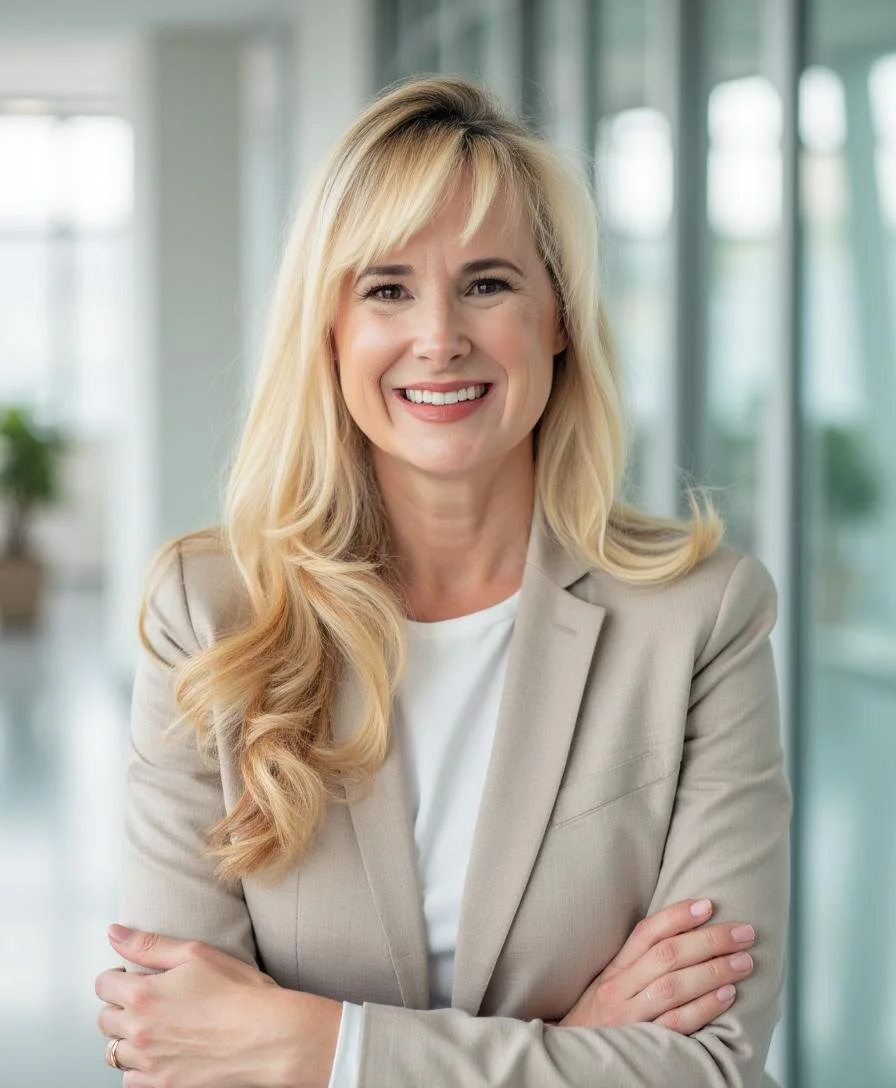
Keely Rodriguez
LPC-S | Certified EMDR & Brainspotting Therapist | LCDC
Your supervisor is going to be a part of your life for the next 3,000 hours.
That's two years. Maybe three. Through the clients who challenge you, the cases that scare you, the moments you doubt yourself, and the slow buildup of confidence that turns "associate" into "clinician."
It's a long relationship. The right supervisor shapes the therapist you become. The wrong one becomes a calendar event you dread.
So before you commit, the questions worth sitting with:
Is this someone who can mentor me through the ups and downs of my first professional years?
Are they going to be genuinely supportive, or are they going to phone it in?
Do they keep up with current research, or are they teaching what they learned a decade ago?
Do they understand how AI is already reshaping our profession?
Do they have the clinical experience to walk me through complex trauma cases?
When I bring something hard to a session, will they actually know what to do with it?
These are the questions that separate a supervisor who signs your form from one who actually shapes your career.
You deserve a yes to all of them.
Most supervision isn't bad. It's just often not enough.
Many supervisors are doing their best with the bandwidth they have. Most supervisors have full caseloads, busy practices, more supervisees than they can truly handle. Supervision becomes a thing that happens between client sessions: a quick signature, a few thoughts on the case, the hour over before it really started.
If supervision is just where you log your hours, you're not in a mentorship. You're in a paperwork relationship.
You deserve more than that.

How supervision with me is different
Deep Trauma Expertise
Working with clients who have experienced trauma is my specialty. I will teach you to look deeper than the symptom. You will learn tools to calm the client's nervous system, explore their attachment story, and how to conceptualize the treatment plan. You'll learn to approach the client like a trauma specialist.
Learning the Business of Private Practice Readiness
Most supervisors won't teach you fee-setting, niche selection, marketing, or paperwork systems. I will. If you are interested in going directly into private practice or thinking about it some day you will have the information available so you're not starting from zero.
AI Literacy for the Therapy You'll Actually Practice in 2027 and Beyond
The field is changing. Your clients are already using ChatGPT between sessions. Documentation tools are everywhere. The ethics codes are being rewritten in real time. We cover what to use, what to avoid, where the lines are, and how to stay clinically sharp in an evolving field.
Ten Supervisees Maximum. Always.
I cap at ten because real mentorship doesn't scale. You're not going to get lost in a roster of twenty or thirty. You're going to get seen and supported.
Hi, I’m Keely.
Keely Rodriguez
LPC-S | Certified EMDR & Brainspotting Therapist | LCDC
I'm Keely Rodriguez, LPC-S, Certified EMDR & Brainspotting Therapist, and LCDC. I run a private practice serving women in Brownsville, the Rio Grande Valley, and online across Texas. I help women struggling with anxiety, trauma, grief, betrayal trauma, and perimenopause-related mental health shifts.
I supervise because I remember what it felt like to be an associate. In my experience I had limited mentorship. Wasted hours watching the clock. A supervisor with minimal real world clinical expertise. Looking back, that cost me more than I realized at the time.
I often had to figure it out on my own. I learned through years of doing the work, getting it wrong, and figuring out what actually held up under pressure.
I'd rather give you a faster path than that.
What you'll get from working with me: a supervisor who actually reads your notes, asks questions, gives you frameworks you'll use for the rest of your career, and prepares you for a field that's going to look meaningfully different in five years than it does today.
Most LPC-S supervisors have not figured out how to talk to associates about AI. Some don't want to acknowledge its impact. Others outsource the conversation to a podcast.
That's a problem. Because the clients you're seeing right now are already using ChatGPT to process their week between sessions. The notes you're writing are increasingly going to be assisted by AI tools. The ethics codes are being rewritten in real time. By 2027, the LPC profession will look meaningfully different from what your master's program prepared you for.
You don't need to become a tech expert. You need to be the kind of clinician who can think clearly about all of this, ethically, practically, and from a position of confidence rather than fear.
That's why it’s important to have a supervisor who is up to date with all the changes and ready to talk about it.
A field that's changing. Supervisors who aren't.
What Supervision Includes
Clinical Confidence
Trauma conceptualization. Ethics. Diagnosis. Treatment planning. Boundaries. Real cases, real questions, real growth. Most individual hours go here.
Tools and Templates
Downloadable intake paperwork, marketing systems, supervision logs, ethics frameworks. Not just learned, implemented.
Private Practice Readiness
Learning to build a practice you actually want now or in the future. Marketing, niche, pricing, workflow, systems, taught the way I wish someone had taught me.
AI Literacy
Focusing on the tools, ethics, and clinical implications of AI in mental health practice. New emerging questions every quarter.

How This Works
$250/month flat rate
Each month, you get:
4 counted supervision hours: 2 group, plus 2 individual or dyadic. That is the BHEC minimum and my standard.
2 hours of private practice building. This one is professional development, not clinical supervision, so you log it as indirect hours toward your 3,000. We cover pricing, niche, systems, relationship and content marketing, website and SEO, and the ethics of running a practice.
Format:
Individual and dyadic hours: on Zoom, wherever you are in Texas.
Group hours: on Zoom, with the full cohort.
Cap: 10 supervisees total. Always. The group is full right now. The next cohort opens in February 2027, and I am booking consults for it now.
Pricing & Structure
Is This the Right Fit For You?
This is for you if:
You want a supervisor who actually mentors, not just signs forms
You're drawn to trauma work, even if you're early in your training
You're planning to build a private practice, now or eventually
You want to be ready for where therapy is going, not just where it's been
How to Start
Book a free 30-minute consult. I'll learn where you are in your hours, what you're hoping for, and what direction your career is heading.
2. If we're a fit, I'll send onboarding paperwork, supervision contract, BHEC forms, scheduling.
3. The next cohort starts in February 2027. Seats go in the order they are confirmed, so a consult now holds your place in line.
If we're not a fit, I'll tell you, and I know other excellent Texas LPC-S supervisors I'm happy to recommend.
Frequently Asked Questions
Who is a good fit for this kind of supervision?
If you’re an LPC Associate anywhere in Texas, whether you're brand new or already have a few hours under your belt, you're in the right place. This is for folks who want solid clinical growth and real-world support.
How many supervisees do you take on at once?
Only 10. That’s it. I keep my supervisee caseload small on purpose so I can actually show up for you, answer your questions, give thoughtful feedback, and help you grow in a way that feels personal, not one-size-fits-all.
Do I have to be in the Rio Grande Valley?
No. All supervision runs on Zoom, so you can be anywhere in Texas. I supervise associates in the Valley, in the metros, and in small towns where there is no LPC-S within an hour’s drive.
How is supervision set up?
Each month, you’ll get:
2 individual or dyadic hours (individual is the two of us, dyadic is you, me, and one other associate, and both count as individual hours)
2 group hours (so you can learn from others, too)
2 hours of private practice building, which is professional development rather than clinical supervision, so it logs as indirect hours toward your 3,000.
What kind of stuff do we actually do in supervision?
We'll dive into working with trauma. You’ll also get hands-on support for private practice strategy marketing, fee setting, systems and we’ll explore how AI is shifting our field, using it to take the busywork off your plate without ever replacing your judgment. Plus, you’ll get practical tools and templates you can use right away. No fluff. Just the good stuff.
Do you offer in-person or virtual supervision?
All virtual, on Zoom. Individual, dyadic, and group hours all run there. That is on purpose: it means you pick a supervisor for fit, not for driving distance. Any Texas LPC Associate is eligible.
What happens if I miss a session?
Life happens. Just give me a heads up as soon as possible and we’ll figure it out. I’ll go over all the details and expectations in our consultation call so you feel clear and supported.
Is it really worth it to include business and AI stuff in supervision?
The field is changing fast. If you go into this field (even if you don’t currently want to go into private practice) you will need some business skills. If you go in without AI literacy, you'll be reacting to client questions instead of leading them. Both are clinical issues, not extras.
What’s the investment?
Supervision is $250 a month, and that covers everything: individual and dyadic sessions, group supervision, business and AI support, and all the tools I share. One flat rate, paid in advance on the 1st. The only other charges are $50 for a no-show or late cancellation, and $75 if you need a makeup session outside my open times. The next cohort starts in February 2027.